
The short version
- Arancine, panelle and sfincione are useful starting points.
- Ask about ingredients and portions before ordering.
- Recipes and allergen handling vary between vendors.
Arancine and panelle: begin with the counter
In Palermo, look for arancine: fried, filled rice snacks substantial enough to alter your lunch plans. Common versions include a meat-based filling and a butter-style version often involving ham and cheese, but the display can include many variations. Ask what the particular one contains rather than relying on its shape or a remembered rule from another city.
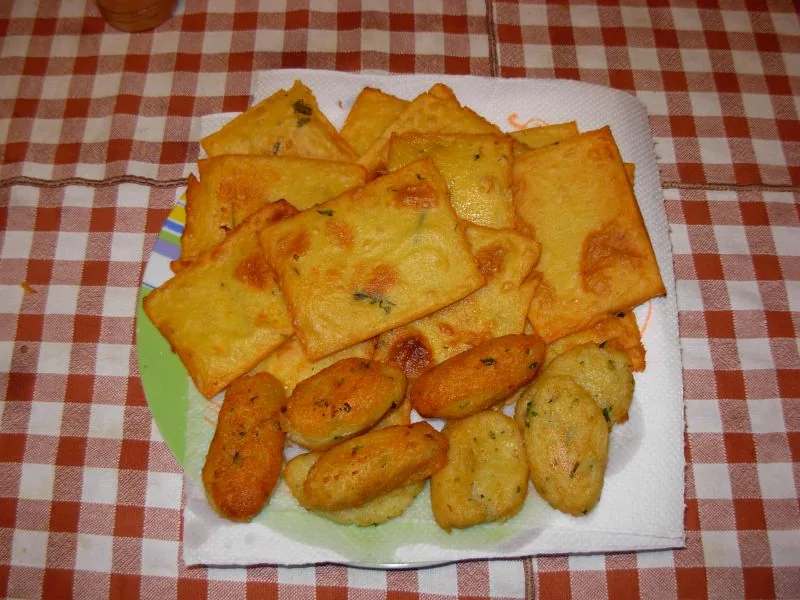
Panelle are chickpea-flour fritters, often served in bread. Crocchè, also called cazzilli, are potato croquettes that may accompany them. Order a small amount first so you can judge whether to keep snacking or sit down for a meal. Fried food is at its most appealing when freshly prepared; choose with your eyes and ask how the portions are sold.
Sfincione is its own lunch proposition
Sfincione has a thick, soft base with a savory topping commonly involving tomato, onion, anchovy, cheese and breadcrumbs. It is not simply a thin pizza cut differently. A piece makes a useful market lunch or a shared tasting between more elaborate stops. Ask about anchovy and cheese if either affects your order, since a tomato-looking topping can hide ingredients you would not guess.
Other foods you may encounter include caponata, a sweet-sour vegetable preparation commonly based on aubergine, and more substantial offal specialties. Pani câ meusa is a spleen sandwich, not an unidentified roast-meat roll. You do not need to taste everything to appreciate the food culture. Ask for an explanation and choose according to appetite and preference.
Cannoli, pastries and a proper pause
A cannolo combines a crisp pastry shell with a sweet filling commonly based on ricotta. Finishes and fillings vary, so check what is being offered. Buy one when you want to eat it rather than carrying it around through a long hot afternoon. A smaller pastry can be a better decision after a substantial lunch than ordering a large dessert out of obligation.
Pastry counters make good places to slow down, especially when the morning has involved several standing food stops. Decide whether you want to sit before ordering and ask about the arrangement if it is unclear. Coffee, water and a pastry can become a useful reset between the historic center and a later walk. Not every break needs to become a tasting itinerary.
Leave space for a seated meal
Street food is only part of eating here. A seated lunch or dinner offers a different pace and a chance to try pasta, vegetables, fish or another dish that interests you. Read the menu before taking a table. Check how fish is priced, whether a dish is intended for sharing and whether any additional table charge is stated. A short question is easier than an argument after the bill arrives.
For a relaxed day, choose one food-led activity: a market lunch, a particular restaurant or a cooking class. Surround it with smaller choices. Booking a lengthy tasting tour immediately before a special dinner rarely improves either experience. If a restaurant matters to your trip, confirm its actual opening and reservation arrangements directly rather than trusting a cached listing.
Ordering with dietary requirements
Explain the ingredients you need to avoid and ask specific questions about fillings, stock, frying oil and preparation surfaces. A dish made primarily from chickpea flour or vegetables is not a guarantee of suitable handling. Bread, pastry, cheese, fish, nuts and sesame can appear in different combinations, and recipes differ. Shared equipment may be relevant even when the main ingredients seem straightforward.
For a serious allergy, speak directly with the vendor or restaurant before ordering and make sure your requirement is understood. A translated written explanation can support the conversation, but cannot replace confirmation. If an answer is uncertain, choose another option. This guide describes foods; it does not certify any dish or business as suitable for an allergy.
A food day with room to breathe
Begin with breakfast near your accommodation, then make one market your late-morning destination. Try a small savory order, walk a little and decide whether that was lunch or an introduction. Put a substantial interior or a rest between food stops. Save the sweet counter for when you actually want it. An evening meal then becomes a pleasure rather than the last appointment in a very filling schedule.
Read the street-food guide for a focused checklist, and the market guide for choosing where to browse. Food photographs can suggest what to look for, but they do not establish the ingredients, current menu or hygiene practices of the vendor standing in front of you.
Confirm date-specific access and services directly before travel.